Introduction
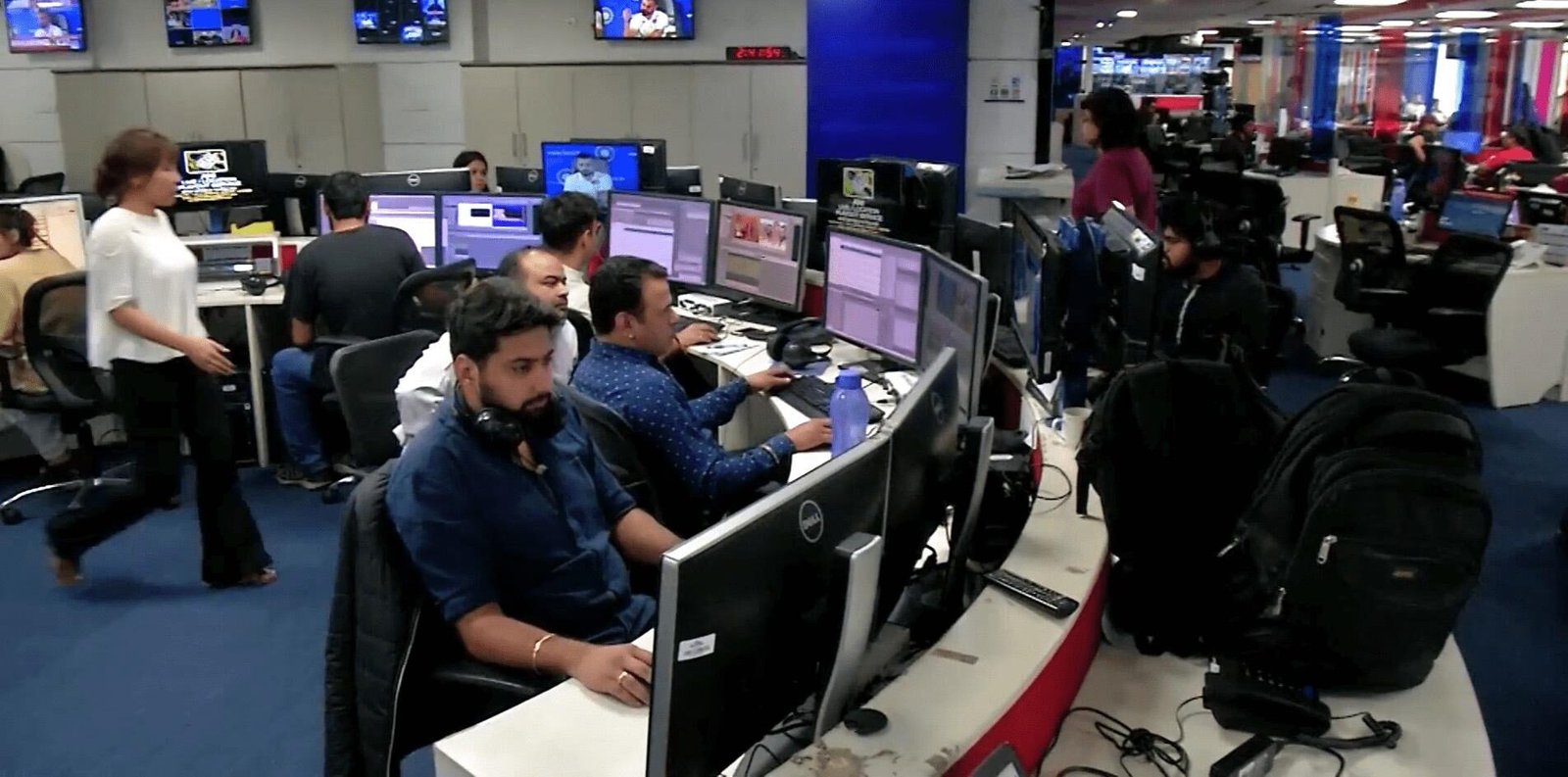
Regional media has long played a vital role in India’s communication landscape. With its linguistic diversity, cultural richness, and geographical variations, India depends heavily on regional newspapers, television channels, radio stations, and digital platforms to connect communities and disseminate information. In recent years, technological advancements and changing audience preferences have transformed regional media significantly. As the media industry continues to evolve, the future of regional media in India presents both exciting opportunities and complex challenges.
Importance of Regional Media
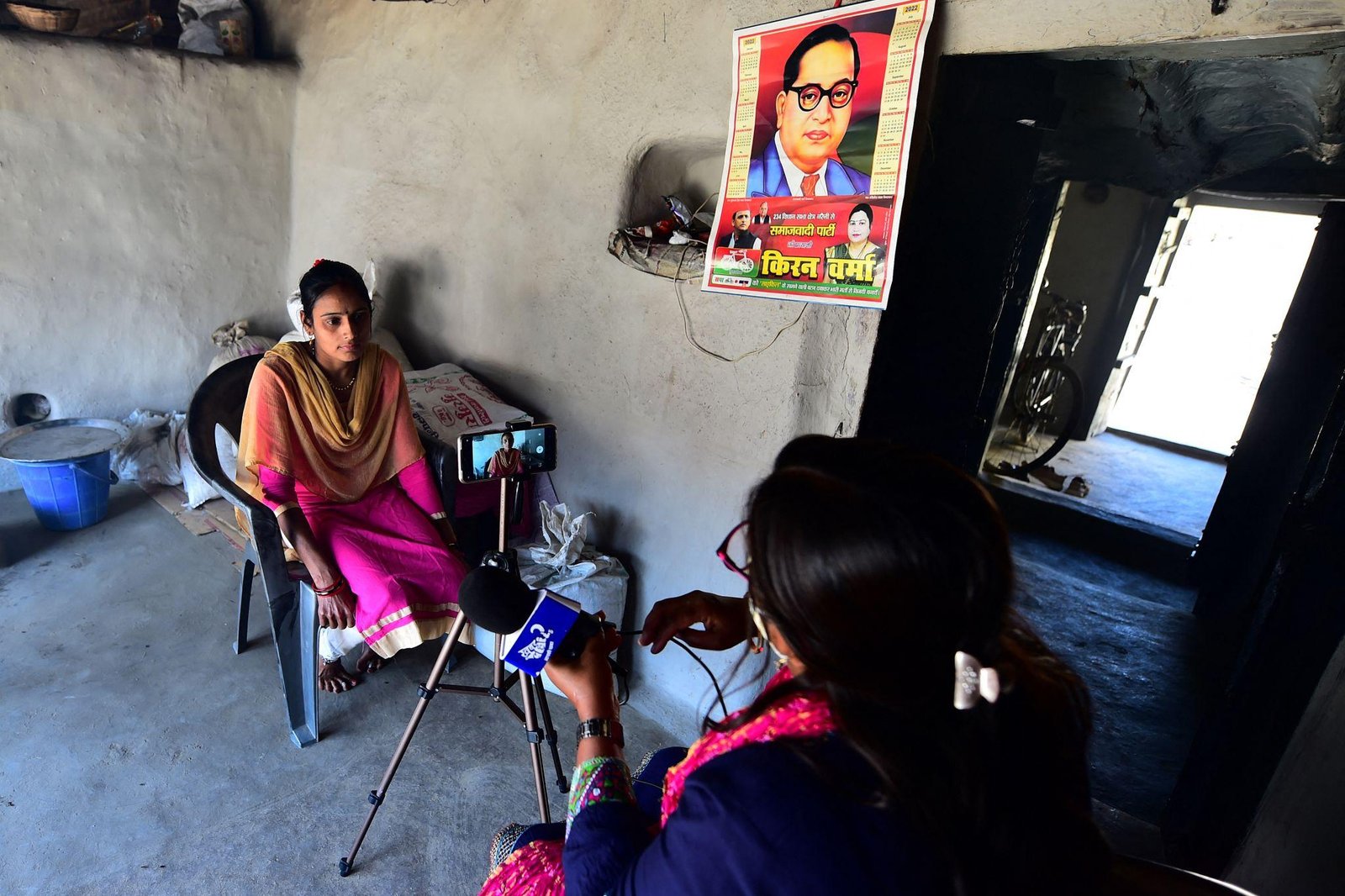
Regional media serves as an important bridge between local communities and larger national developments. It provides information in local languages and focuses on issues directly affecting people at the grassroots level.
Regional media contributes to:
- Dissemination of local news
- Promotion of regional culture
- Preservation of linguistic identity
- Community engagement
- Democratic participation
Unlike national media, regional media often highlights local governance, education, healthcare, agriculture, employment, and cultural activities that directly impact people’s daily lives.
Digital Transformation of Regional Media
The rise of digital technology has transformed regional media organizations across India.
Expansion of Online Platforms
Many regional newspapers and television channels now operate websites, mobile applications, and social media accounts. This enables them to reach audiences beyond their traditional geographical boundaries.
Mobile News Consumption
Smartphones have become the primary source of news for many users. Readers increasingly prefer accessing content through mobile devices rather than traditional print publications.
Social Media Integration
Regional media organizations use social media platforms such as Facebook, YouTube, Instagram, WhatsApp, and X (formerly Twitter) to distribute content and engage audiences.
Multimedia Journalism
Digital platforms encourage the use of videos, podcasts, infographics, photo galleries, and live streaming, making content more interactive and engaging.
Emerging Opportunities
Growing Regional Language Audience
India’s internet user base is expanding rapidly, particularly among non-English-speaking populations. This has increased demand for content in regional languages.
Media organizations producing high-quality local-language content are likely to benefit from this growing audience.
Hyperlocal Journalism
Hyperlocal journalism focuses on specific communities, towns, villages, and districts. Digital technologies make it easier for regional media to provide detailed coverage of local issues that may not receive attention from national outlets.
New Revenue Models
Subscription services, membership programmes, sponsored content, and digital advertising offer new opportunities for financial sustainability.
Artificial Intelligence and Technology
Artificial Intelligence can support regional media through language translation, content recommendations, automated reporting, and audience analytics. These technologies can improve efficiency and expand audience reach.
Challenges Facing Regional Media
Financial Sustainability
Many regional media organizations struggle with declining print revenues and intense competition for digital advertising.
Misinformation and Fake News
The rapid spread of misinformation remains a significant challenge. Regional media must invest in fact-checking and verification processes to maintain public trust.
Competition from National Platforms
Large national and international digital platforms often attract significant audience attention, making it difficult for smaller regional organizations to compete.
Technological Adaptation
Some regional media organizations face challenges in adopting new technologies due to limited financial and technical resources.
Role of Regional Media in Democracy
Regional media strengthens democracy by ensuring that local voices are heard. It promotes transparency, accountability, and public participation by reporting on issues affecting local communities.
By covering regional governance, development projects, and public concerns, regional journalism contributes to informed citizenship and democratic engagement.
Future Outlook
Experts believe that the future of regional media in India will be increasingly digital, mobile-oriented, and audience-driven. Organizations that successfully combine technological innovation with credible journalism will remain relevant and competitive.
The integration of mobile journalism, artificial intelligence, data journalism, and multimedia storytelling is expected to redefine regional reporting in the coming years. At the same time, maintaining editorial independence, ethical standards, and public trust will remain essential.
Conclusion
Regional media continues to play a crucial role in India’s diverse communication ecosystem. Although technological disruption and financial challenges have transformed the industry, they have also created opportunities for innovation and growth. By embracing digital technologies while preserving journalistic integrity and local relevance, regional media can continue to serve communities effectively and contribute to India’s democratic and cultural development.