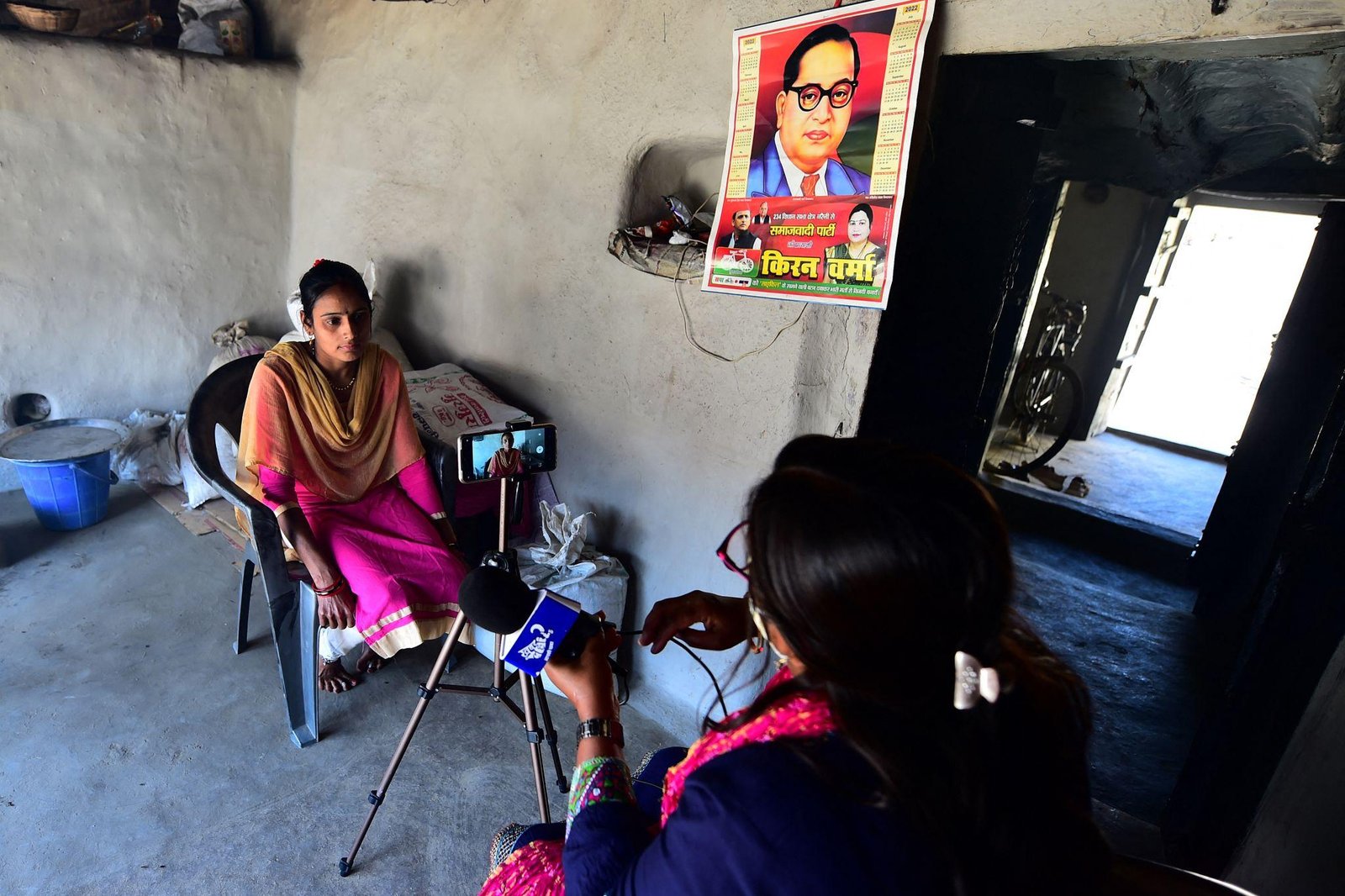

Introduction
The rapid growth of digital technology and social media has transformed the way information is created and shared. In the past, news was primarily gathered and distributed by professional journalists working for newspapers, radio stations, and television channels. Today, ordinary citizens can report events, share information, upload photographs and videos, and contribute to public discussions through digital platforms. This phenomenon is known as citizen journalism. It has become an important component of contemporary media, expanding public participation in the communication process.
Understanding Citizen Journalism
Citizen journalism refers to the practice of non-professional individuals collecting, reporting, analyzing, and sharing news and information. Using smartphones, social media platforms, blogs, and video-sharing websites, citizens can document events and communicate information directly to the public.
Citizen journalists do not necessarily have formal journalism training, but they play a significant role in providing firsthand information about events occurring in their communities and beyond.
Growth of Citizen Journalism
The emergence of affordable smartphones, high-speed internet, and social media platforms has contributed significantly to the growth of citizen journalism.
Platforms such as:
- YouTube
- X (formerly Twitter)
allow individuals to instantly share news, photographs, videos, and opinions with large audiences.
Major events such as natural disasters, public protests, elections, and emergencies are often documented by ordinary citizens before professional journalists arrive at the scene.
Importance of Citizen Journalism
Faster Information Sharing
Citizen journalists can report events in real time. Their immediate presence at the location of an incident often allows information to reach the public quickly.
Local and Community Coverage
Citizen journalism helps highlight local issues that may not receive sufficient attention from mainstream media. Community concerns, public grievances, and local achievements can gain visibility through citizen-generated content.
Increased Public Participation
Citizen journalism encourages greater participation in the media process. It allows individuals to contribute their perspectives and become active participants in information sharing.
Diverse Voices and Perspectives
Traditional media may not always represent all sections of society equally. Citizen journalism introduces a wider range of viewpoints and experiences, promoting diversity in public discourse.
Role of Citizen Journalism During Emergencies
Citizen journalism has proven particularly valuable during emergencies and crises.
During natural disasters, accidents, floods, earthquakes, and public emergencies, citizens often provide:
- Photographs
- Videos
- Eyewitness accounts
- Real-time updates
Such information can assist journalists, authorities, and emergency response agencies in understanding developing situations.
Challenges of Citizen Journalism
Verification Issues
One of the major concerns associated with citizen journalism is the accuracy of information. Unlike professional journalists, citizen reporters may not always verify facts before sharing content.
Spread of Misinformation
Unverified reports, rumors, and misleading content can spread rapidly through digital platforms. This increases the risk of misinformation and public confusion.
Lack of Ethical Standards
Professional journalism follows established ethical principles such as accuracy, fairness, objectivity, and accountability. Citizen journalists may not always be familiar with these standards.
Legal and Privacy Concerns
Sharing photographs, videos, or personal information without proper consent can raise legal and ethical issues related to privacy and individual rights.
Relationship Between Citizen Journalism and Professional Journalism
Citizen journalism should not be viewed as a replacement for professional journalism. Instead, it complements traditional media.
Professional journalists contribute:
- Verification
- Fact-checking
- Investigation
- Contextual analysis
- Ethical reporting
Citizen journalists contribute:
- Immediate information
- Local perspectives
- Community engagement
Together, they create a more dynamic and participatory media environment.
Future of Citizen Journalism
The future of citizen journalism is closely linked to technological advancement. Improvements in mobile technology, internet access, and digital communication will continue to expand opportunities for public participation in news reporting.
At the same time, media literacy and responsible information sharing will become increasingly important to ensure the credibility and reliability of citizen-generated content.
Conclusion
Citizen journalism has become a significant feature of contemporary society by enabling ordinary people to participate in the creation and dissemination of news. It strengthens public engagement, promotes diverse perspectives, and enhances community reporting. However, challenges related to verification, misinformation, and ethics must be addressed through responsible practices and media literacy. When combined with professional journalism, citizen journalism can contribute to a more informed, inclusive, and democratic communication environment.