Introduction
The emergence of social media has transformed communication across the world. Platforms such as Facebook, X (formerly Twitter), Instagram, YouTube, WhatsApp, and LinkedIn have changed how people interact, share information, and participate in public discussions. In democratic societies, social media has become an important tool for political communication, civic engagement, and public participation. While it offers new opportunities for strengthening democracy, it also presents challenges that require careful consideration.
Understanding Democratic Participation
Democratic participation refers to the involvement of citizens in political and social processes that influence public decision-making. This participation may include:
- Voting in elections
- Engaging in public debates
- Expressing opinions on public issues
- Participating in campaigns and movements
- Communicating with political representatives
An informed and active citizenry is essential for the effective functioning of democracy.
Rise of Social Media in Public Communication
Over the last decade, social media has become one of the primary sources of information for millions of people. Unlike traditional media, social media allows users to create, share, and discuss content instantly.
The widespread availability of smartphones and internet connectivity has increased the reach of social media platforms, making them accessible to diverse populations across urban and rural areas.
As a result, social media now plays a central role in shaping public opinion and facilitating civic engagement.
Social Media as a Tool for Democratic Participation
Access to Information
Social media provides citizens with immediate access to news, government announcements, policy discussions, and public affairs. Information can be shared and received in real time, enabling people to stay informed about current events.
Citizen Engagement
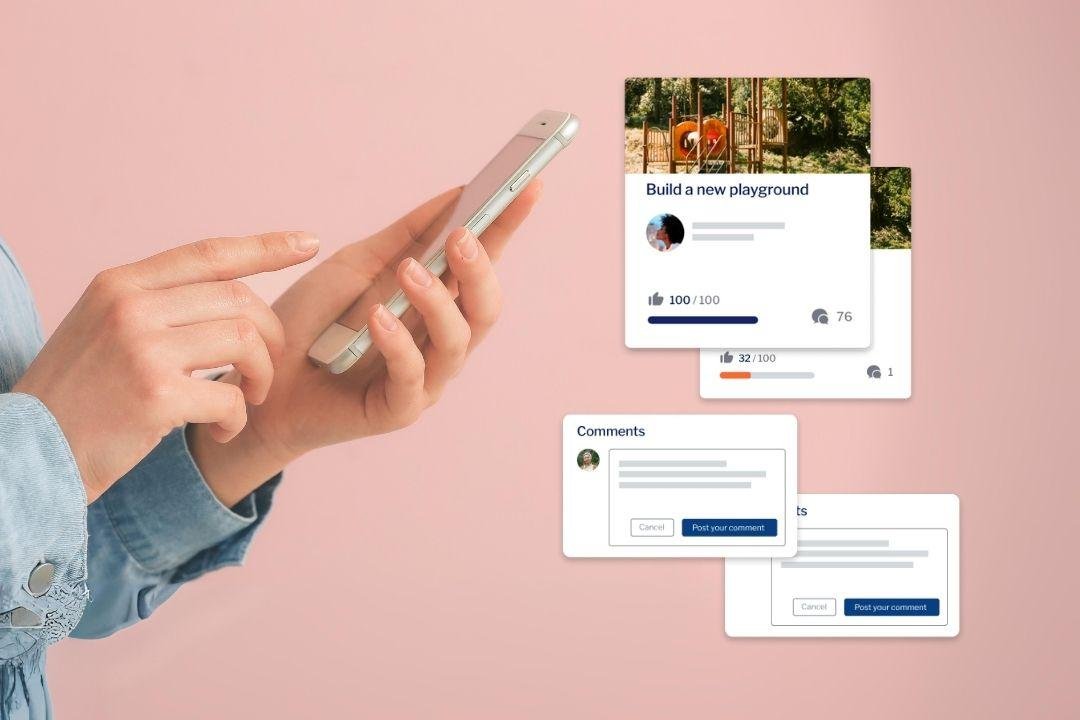
Social media allows individuals to express opinions, participate in discussions, and engage with political leaders, journalists, and public institutions. This direct interaction encourages greater civic involvement.
Political Communication
Political parties and leaders increasingly use social media to communicate with voters, share campaign messages, and gather public feedback. Digital platforms have become important channels for political outreach and public engagement.
Social Movements and Public Campaigns
Many social and political movements have used social media to mobilize supporters, raise awareness, and organize activities. Hashtags, online petitions, and digital campaigns enable citizens to advocate for social change and influence public discourse.
Citizen Journalism
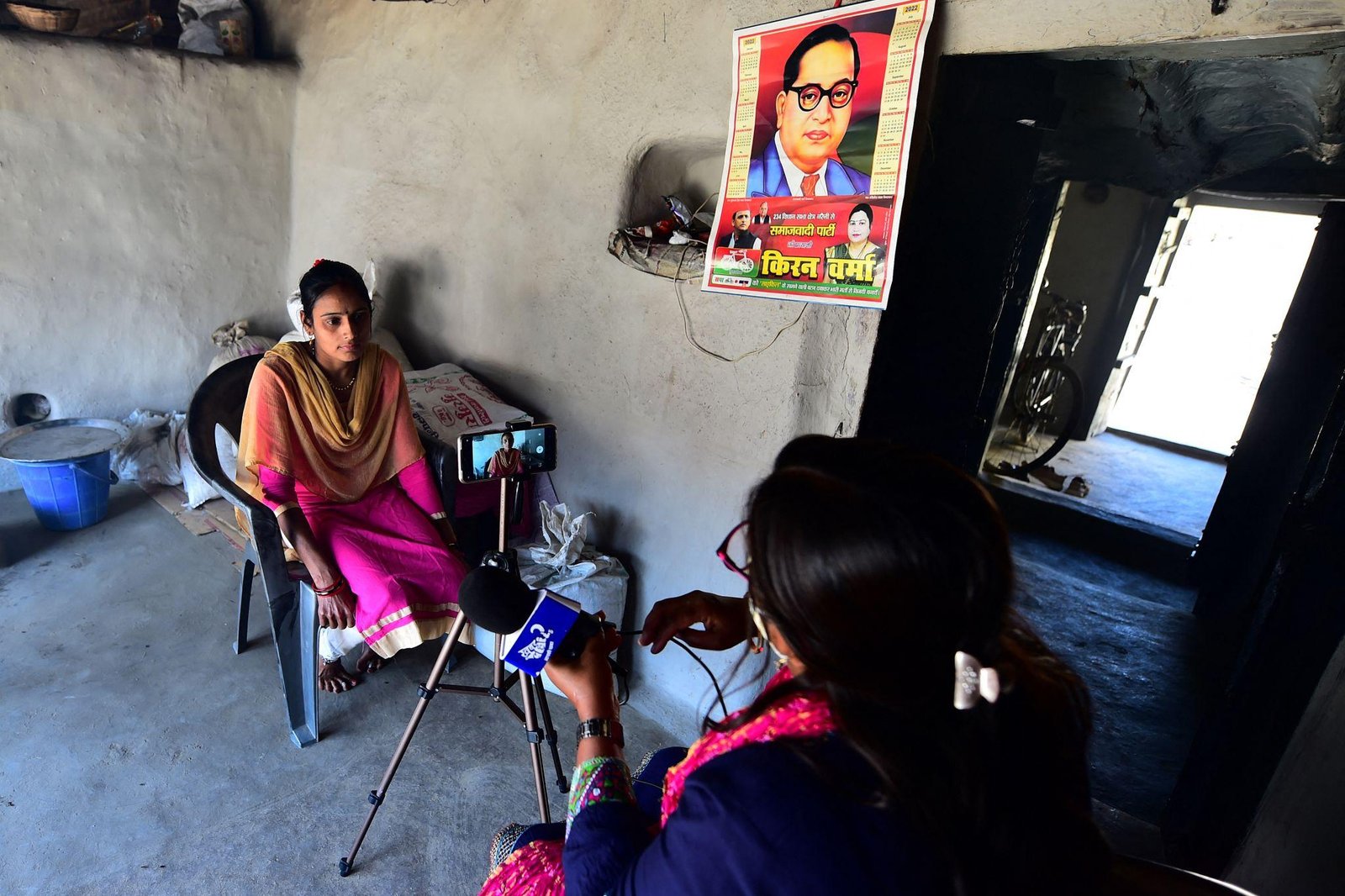
Ordinary citizens can use social media to report events, share photographs and videos, and contribute to public discussions. This form of citizen journalism increases diversity in information sources and promotes community participation.
Benefits of Social Media for Democracy
Social media offers several advantages:
- Encourages political awareness
- Strengthens public participation
- Increases transparency
- Facilitates communication between citizens and government
- Promotes freedom of expression
- Supports social activism and advocacy
These benefits contribute to a more informed and engaged society.
Challenges and Concerns
Spread of Misinformation
One of the biggest challenges associated with social media is the rapid spread of fake news and misinformation. False information can influence public opinion and create confusion during important political events.
Echo Chambers and Polarization
Algorithms often show users content that aligns with their existing beliefs. This can create echo chambers where individuals are exposed only to similar viewpoints, leading to increased polarization.
Online Harassment
Social media users, including journalists and public figures, may face harassment, abuse, and hate speech. Such behavior can discourage meaningful public participation.
Privacy and Data Security
The collection and use of personal data by social media platforms raise concerns regarding privacy, surveillance, and user rights.
Role of Media Literacy
To ensure responsible use of social media, citizens must develop media literacy skills. This includes:
- Verifying information before sharing
- Identifying credible sources
- Understanding digital ethics
- Recognizing misinformation
Media literacy helps individuals become informed and responsible participants in democratic processes.
Conclusion
Social media has become a powerful tool for democratic participation by providing access to information, encouraging public engagement, and facilitating communication between citizens and institutions. While it offers numerous opportunities for strengthening democracy, challenges such as misinformation, polarization, and privacy concerns must be addressed. By promoting responsible use and media literacy, social media can continue to serve as an important platform for civic participation and democratic dialogue in the digital age.