
Introduction
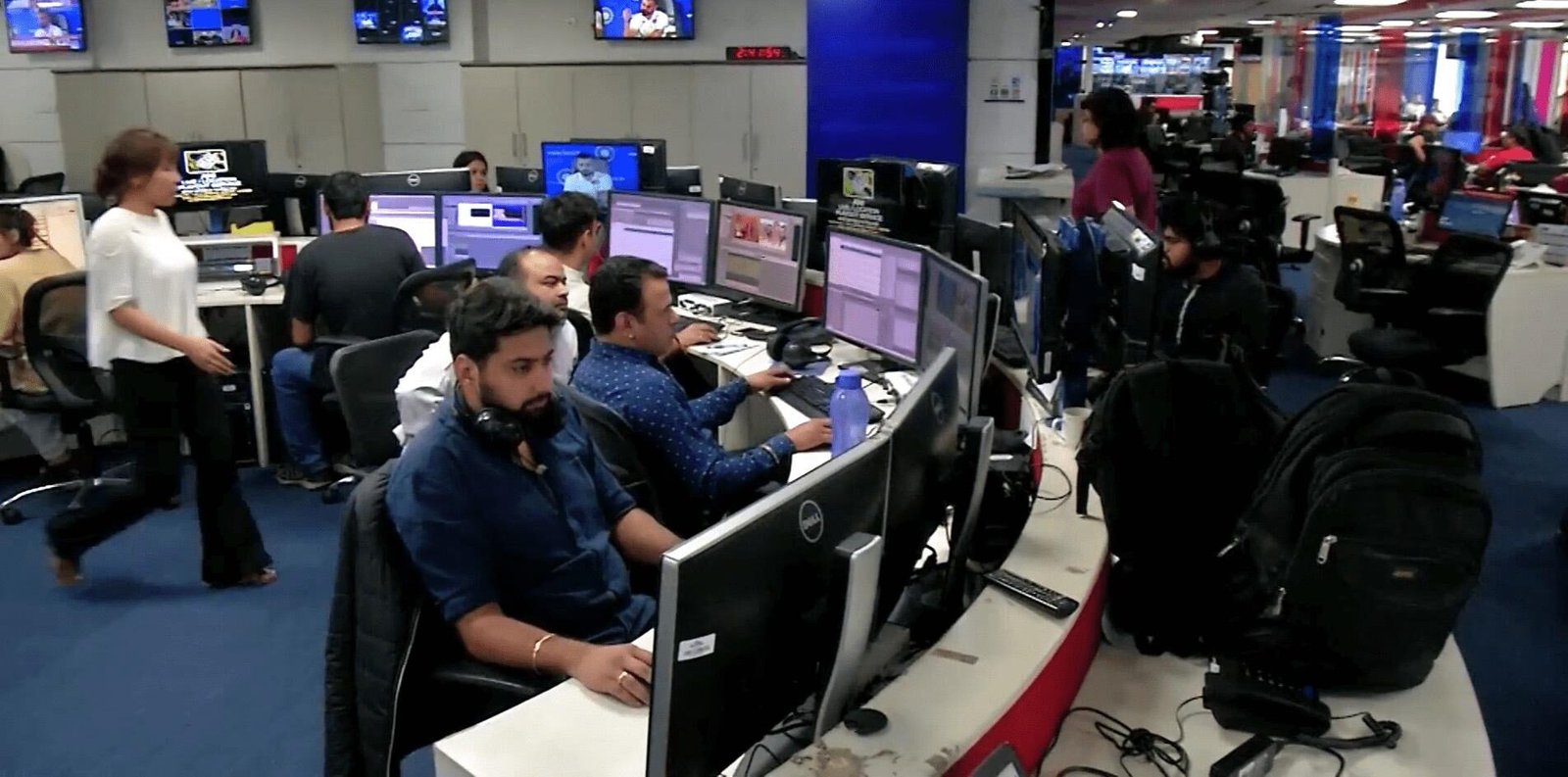
The news media industry has undergone a remarkable transformation over the past two decades. The rise of the internet, smartphones, social media, and emerging technologies has changed how news is produced, distributed, and consumed. Traditional newspapers and television channels are increasingly adapting to digital platforms to meet the changing needs of audiences. As technology continues to evolve, the future of digital news media presents both exciting opportunities and significant challenges for journalists, media organizations, and society.
Evolution of Digital News Media
Digital news media refers to the delivery of news through online platforms such as websites, mobile applications, social media networks, podcasts, and video-sharing platforms. Unlike traditional media, digital platforms provide instant access to information and allow users to engage directly with content.
The shift from print to digital media has been driven by increasing internet penetration, affordable smartphones, and the growing demand for real-time information. Today, millions of people rely on digital platforms as their primary source of news and current affairs.
Emerging Trends in Digital News Media
Artificial Intelligence in Newsrooms
Artificial Intelligence (AI) is expected to play an increasingly important role in the future of journalism. AI-powered tools can assist journalists in data analysis, content recommendations, automated reporting, language translation, and fact-checking.
News organizations are already using AI to improve efficiency and enhance audience engagement.
Growth of Mobile Journalism
Mobile journalism is becoming a dominant force in news reporting. Modern smartphones allow journalists to capture, edit, and publish content directly from the field. Future advancements in mobile technology will further improve reporting capabilities and accessibility.
Personalized News Consumption
Digital platforms increasingly use algorithms to deliver personalized content based on user interests and preferences. Readers receive customized news feeds that reflect their browsing habits and information needs.
While personalization improves user experience, it also raises concerns about information diversity and filter bubbles.
Multimedia Storytelling
Future journalism will rely heavily on multimedia formats, including videos, podcasts, interactive graphics, virtual reality, and augmented reality experiences. These tools enhance audience engagement and make complex information easier to understand.
Opportunities for Digital News Media
Global Reach
Digital platforms allow news organizations to reach audiences across geographical boundaries. A news story published online can be accessed by readers around the world within seconds.
Audience Participation
Digital media encourages interaction between journalists and audiences through comments, discussions, polls, and social media engagement. This promotes greater public participation in the news process.
Cost Efficiency
Compared to traditional media infrastructure, digital publishing is often more cost-effective. Small media organizations and independent journalists can establish online platforms with relatively low investment.
Innovation and Creativity
Digital technologies provide opportunities for innovative storytelling techniques, data visualization, interactive reporting, and immersive journalism experiences.
Challenges Facing Digital News Media
Fake News and Misinformation
The rapid spread of misinformation remains one of the biggest challenges facing digital journalism. False information can spread quickly through social media and messaging platforms, making verification increasingly important.
Revenue and Sustainability
Many digital news organizations struggle to generate stable revenue. Dependence on online advertising and social media traffic creates financial uncertainty.
Data Privacy Concerns
The collection and use of user data for content personalization raise important questions regarding privacy, transparency, and ethical practices.
Maintaining Journalistic Standards
The pressure to publish news quickly can sometimes affect accuracy and quality. Journalists must balance speed with verification and ethical responsibility.
The Role of Journalists in the Future
Despite technological advancements, human journalists will remain essential. Skills such as investigative reporting, critical analysis, ethical decision-making, creativity, and storytelling cannot be fully replaced by technology.
Future journalists will need to combine traditional journalistic principles with digital skills to succeed in an increasingly competitive media environment.
Conclusion
The future of digital news media is characterized by innovation, technological advancement, and changing audience expectations. Artificial intelligence, mobile journalism, personalized content, and multimedia storytelling will continue to shape the industry. At the same time, challenges such as misinformation, financial sustainability, and ethical concerns must be addressed. By embracing technology while upholding professional values, digital news media can continue to serve society as a reliable source of information and democratic engagement.