Introduction
The digital revolution has transformed the way people access and share information. Social media platforms, online news portals, blogs, and messaging applications have made information available instantly. While this has improved communication and public awareness, it has also created a serious challenge: the spread of fake news and misinformation. In today’s digital age, fact-checking has become an essential practice for journalists, media organizations, and citizens to ensure the accuracy and credibility of information.
Understanding Fake News
Fake news refers to false, misleading, or fabricated information presented as genuine news. Such content is often created to influence public opinion, attract online traffic, gain financial benefits, or spread propaganda.
Fake news can appear in various forms, including:
- False news reports
- Misleading headlines
- Manipulated photographs
- Edited videos
- Fabricated statistics
- Misinterpreted information
The rapid growth of social media has increased the speed at which fake news spreads, making it difficult for people to distinguish between truth and falsehood.
Causes of Fake News
Several factors contribute to the spread of fake news in the digital era.
Social Media Sharing
Many users share information without verifying its authenticity. A single misleading message can reach thousands of people within minutes.
Clickbait Culture
Some websites use sensational headlines to attract attention and increase website traffic. These headlines may exaggerate or distort facts.
Political and Ideological Motives
Fake news is sometimes created to influence public opinion, political debates, or election outcomes.
Lack of Media Literacy
Many internet users lack the skills required to evaluate online information critically, making them more vulnerable to misinformation.
Impact of Fake News
The consequences of fake news can be serious and far-reaching.
Social Impact
False information can create confusion, panic, and misunderstanding among communities. It can also promote social tensions and conflicts.
Political Impact
Misinformation can influence public opinion, affect electoral processes, and weaken democratic institutions.
Economic Impact
Businesses and financial markets may suffer when inaccurate information spreads about companies, products, or economic conditions.
Public Health Impact
During health emergencies, fake news can spread incorrect medical advice and create unnecessary fear among the public.
Importance of Fact Checking
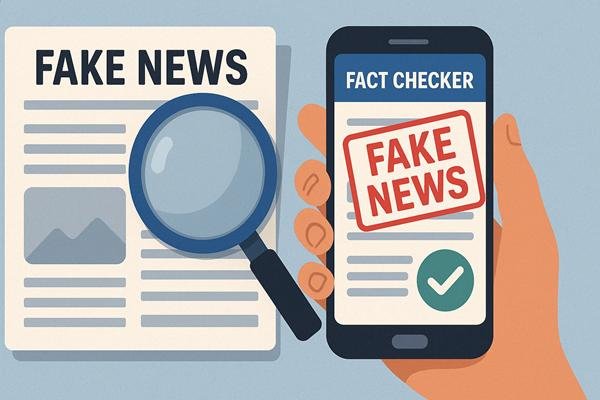
Fact-checking is the process of verifying information before it is published or shared. It plays a crucial role in maintaining journalistic credibility and public trust.
Professional fact-checkers examine:
- Sources of information
- Official records
- Expert opinions
- Statistical data
- Images and videos
Fact-checking helps prevent misinformation from reaching large audiences and supports informed decision-making.
Fact-Checking Techniques
Several methods can be used to verify information:
Verify the Source
Check whether the information comes from a credible and trustworthy source.
Cross-Check Multiple Sources
Compare the information with reports from established news organizations.
Reverse Image Search
Use online tools to verify whether images are genuine or taken out of context.
Check Dates and Context
Old news stories are often recirculated and presented as current events.
Consult Fact-Checking Organizations
Independent fact-checking platforms help identify and debunk false claims.
Role of Journalists in Combating Fake News
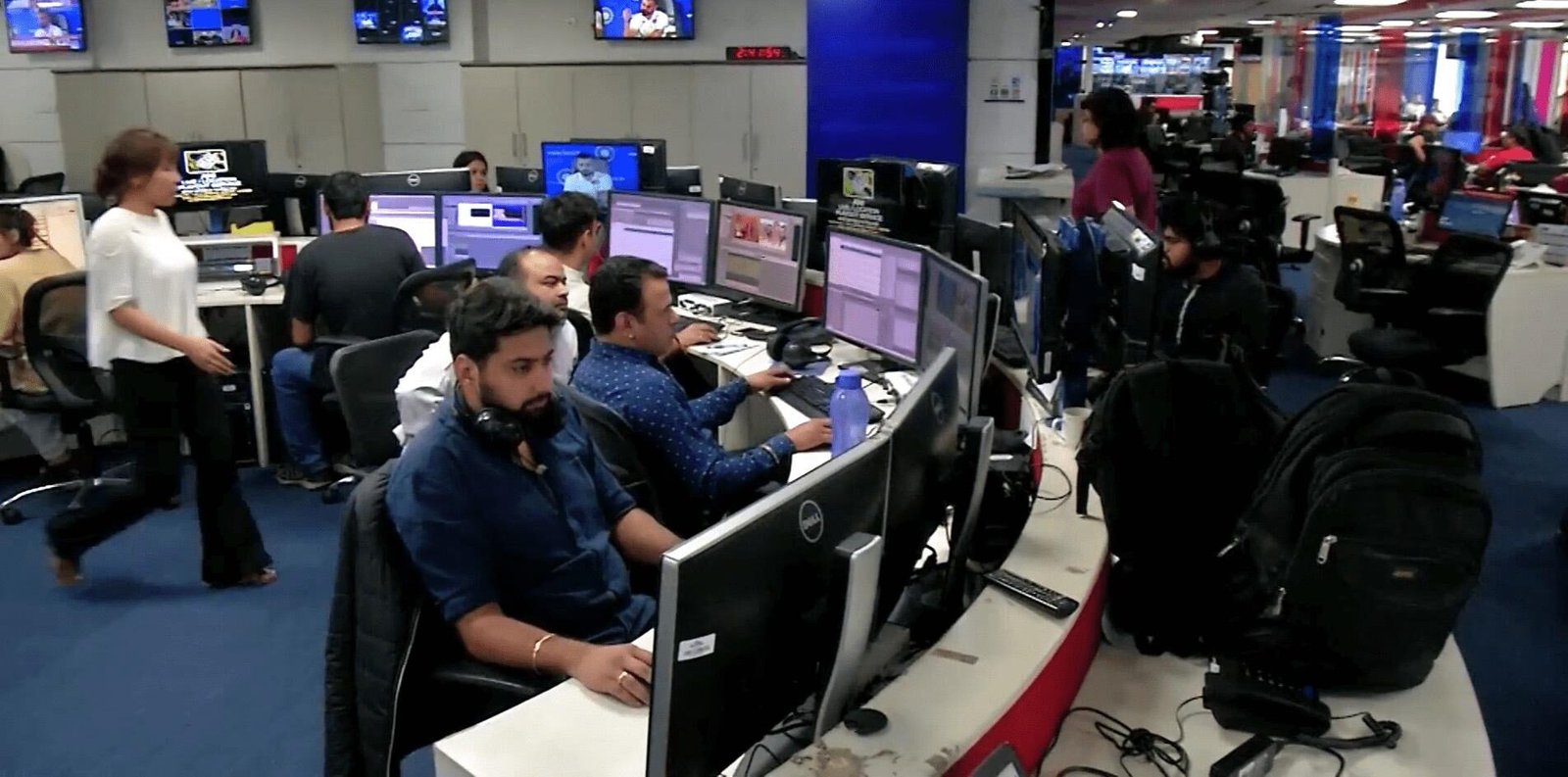
Journalists play a vital role in protecting the public from misinformation. Ethical journalism requires accuracy, verification, fairness, and accountability. Media organizations are increasingly establishing dedicated fact-checking teams to verify information before publication.
In addition, journalists educate audiences about responsible information sharing and digital literacy practices.
Conclusion
Fake news has become one of the most significant challenges of the digital age. Its ability to spread rapidly through online platforms can affect society, politics, public health, and economic stability. Fact-checking serves as a powerful tool for maintaining credibility and ensuring the accuracy of information. By promoting media literacy, responsible journalism, and critical thinking, society can reduce the harmful effects of misinformation and strengthen public trust in media.