
Introduction
The rapid growth of smartphones and internet connectivity has transformed the way news is collected, produced, and distributed. Mobile Journalism, commonly known as MoJo, has emerged as one of the most significant developments in modern media. Today, journalists can report, record, edit, and publish news directly from their mobile devices without requiring expensive equipment or large production teams. In India, Mobile Journalism is reshaping the media landscape and making news reporting faster, more accessible, and highly interactive.
Understanding Mobile Journalism
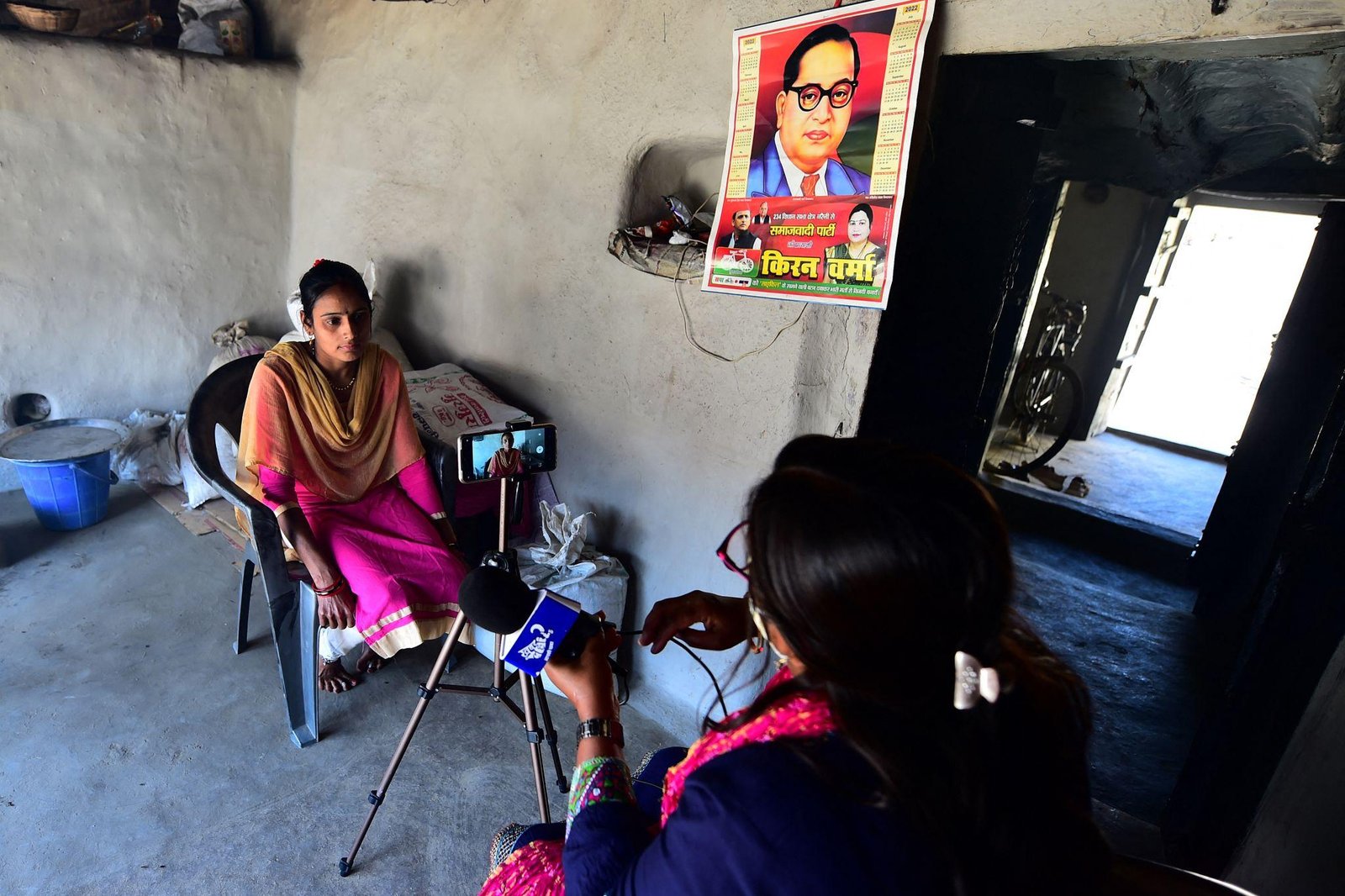
Mobile Journalism refers to the practice of using smartphones and mobile devices to gather, produce, and distribute news content. A mobile journalist can capture photographs, record videos, conduct interviews, edit content, and publish stories using a single device.
The advancement of smartphone technology has enabled journalists to perform tasks that previously required professional cameras, editing systems, and broadcasting equipment. As a result, mobile journalism has become an important part of contemporary news production.
Growth of Mobile Journalism in India
India has experienced tremendous growth in smartphone usage over the last decade. Affordable mobile devices and low-cost internet services have allowed millions of people to access digital content. This technological revolution has encouraged media organizations to adopt mobile journalism as a key reporting strategy.
Television channels, digital news platforms, newspapers, and independent journalists are increasingly relying on smartphones for news gathering. During elections, natural disasters, sports events, and public demonstrations, mobile journalists provide real-time coverage directly from the field.
The popularity of social media platforms such as Facebook, Instagram, YouTube, WhatsApp, and X (formerly Twitter) has further accelerated the growth of mobile journalism.
Advantages of Mobile Journalism
Speed and Efficiency
One of the biggest advantages of mobile journalism is speed. Journalists can instantly capture events and upload reports without returning to a newsroom. This helps media organizations provide breaking news coverage in real time.
Cost-Effectiveness
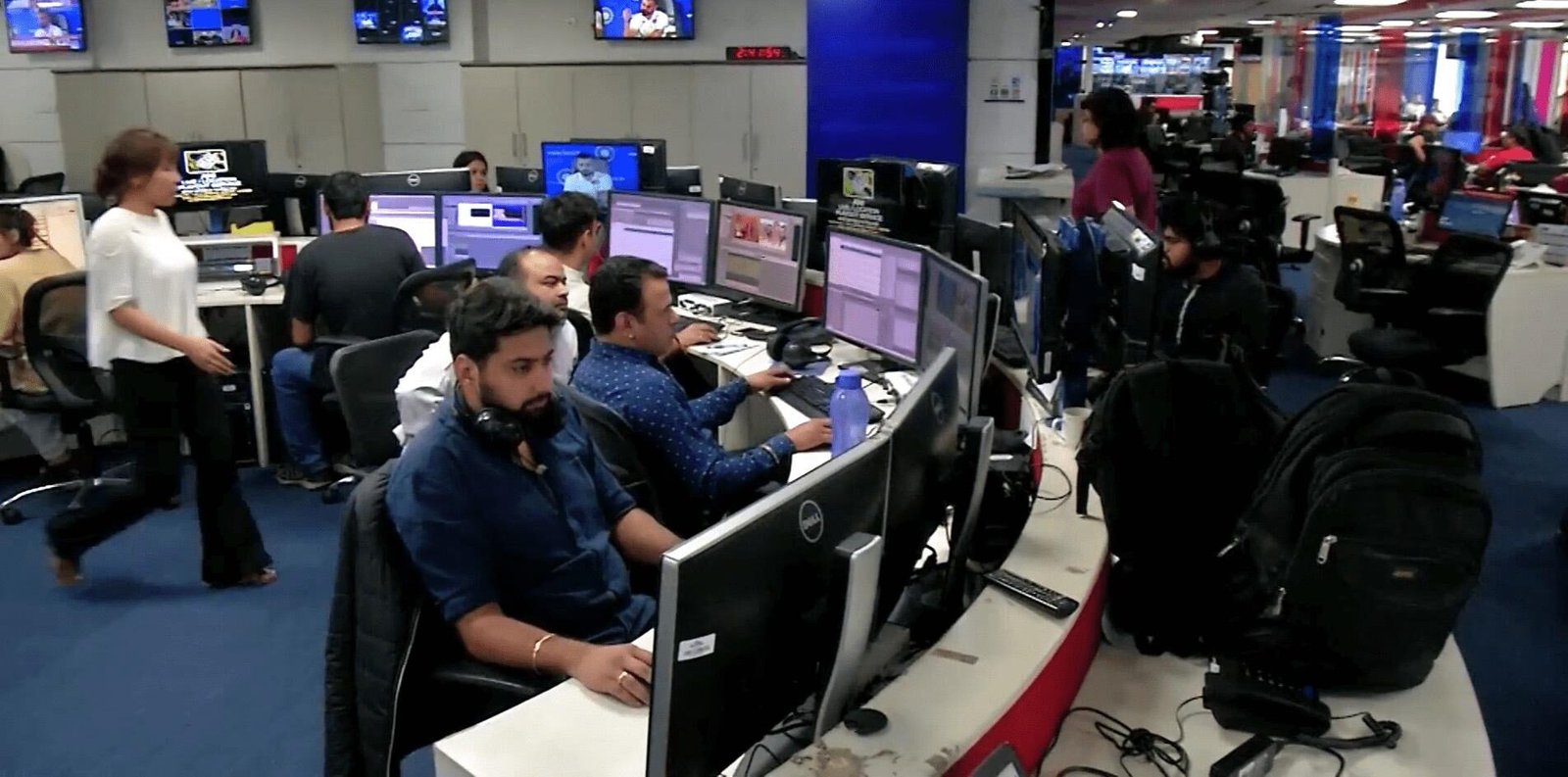
Traditional news production often requires expensive cameras, editing systems, microphones, and technical teams. Mobile journalism significantly reduces production costs because most tasks can be performed using a smartphone and a few accessories.
Flexibility
Mobile journalists can work from virtually any location. Whether covering a political rally, a sports match, or a natural disaster, they can quickly gather and distribute information.
Audience Engagement
Mobile journalism integrates easily with social media platforms, allowing journalists to interact directly with audiences. Readers and viewers can comment, share, and respond to content immediately.
Mobile Journalism Tools
Modern smartphones support a variety of professional applications used by journalists, including:
- Video recording applications
- Audio recording tools
- Mobile editing software
- Live streaming platforms
- Social media publishing tools
Applications such as VN Editor, Kinemaster, Adobe Premiere Rush, and CapCut have become popular among mobile journalists for content production.
Challenges of Mobile Journalism
Despite its advantages, mobile journalism also faces several challenges.
The pressure to publish news quickly can sometimes compromise accuracy and verification. Journalists must ensure that information is properly fact-checked before publication.
Technical issues such as battery limitations, network connectivity problems, and storage constraints may also affect field reporting.
Additionally, concerns regarding privacy, ethical reporting, and misinformation require journalists to maintain professional standards while using mobile technologies.
Future of Mobile Journalism
Experts believe that mobile journalism will continue to grow as smartphone technology becomes more advanced. Improvements in camera quality, artificial intelligence, 5G connectivity, and cloud-based editing will further enhance mobile reporting capabilities.
Journalism schools and media training institutions are increasingly incorporating mobile journalism into their curricula, recognizing its importance in the future media ecosystem.
Conclusion
Mobile Journalism has transformed news reporting by making it faster, more affordable, and more accessible. It has empowered journalists to produce professional-quality content directly from the field while enabling audiences to receive real-time information. As technology continues to evolve, mobile journalism is expected to play an even greater role in shaping the future of media and communication in India.